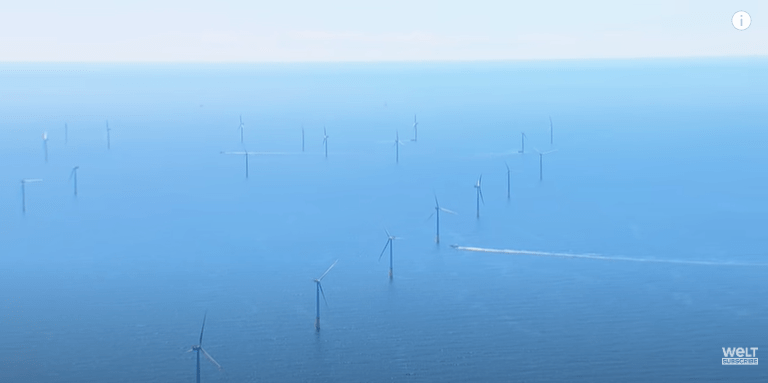
Wind Turbines have been around since 200BC and earlier. According to eia.org, they were used to propel boats in the Nile River, 5000BC and for water pumps in China by 200BC. Along with solar, hydro and geothermal, wind power is the energy of the future as it meets energy demand with less greenhouse gas emissions. Due to the complexities in the estimation of wind energy potential from wind speed, some wind farms/park can end up under producing power. There are a few elements which are important in the design of a wind park. See video at end…
See also:
- Onshore Structural Design
- How to Design Each Facility Feature
- Horizontal Vessel Design
- Vertical Vessel Design
- Above Ground Storage Tank Design
In most cases, a technology company carries out design of the wind turbine and sells them. Technological companies produce wind turbines of different capacities and heights. Turbines of 650 KW, 2MW, 5MW and 7.58MW. An engineering company carries out design of a wind park using the capacity of the selected turbine to arrive at the overall capacity of the power plant. The parameters for design of the foundation, land mass requirement and spacing of turbine towers are obtained from the manufacturer.
Overview of Considerations for Design of Wind Farm
During the design of a wind farm, the following are the categories to be considered and metrics set forth.
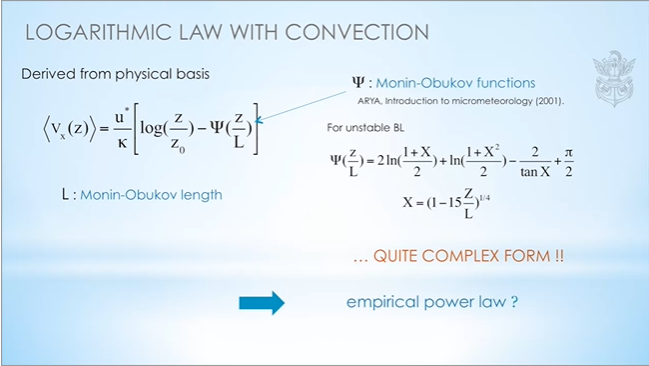
Wind speed and annual energy potential of the site
Capacity of the wind farm and energy supply/year:
The capacity is the electrical strength of a wind farm at a given moment, usually measured in kilowatt (KW), Megawatt (MW) and Gigawatt (GW). While energy supplied is measured in kilowatt hour (KWh), Megawatt hour (MWh), Gigawatt hour (GWh) and Terawatt hour (TWh). Although often confused, each their actual units are Joules per second and Joule hours per second.

According to Betz law, the maximum efficiency a wind turbine can run at is 59%. However, due to the intermittency of wind speed, efficiency over a year period for a wind farm is about 15 to 50%. This resultant efficiency is taken as the capacity factor.
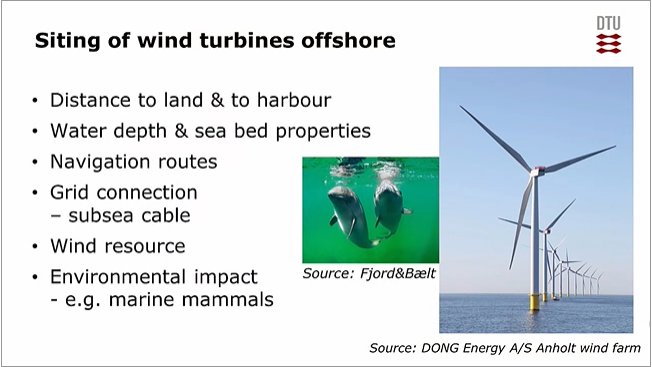
Siting of wind farm
Spacing between towers
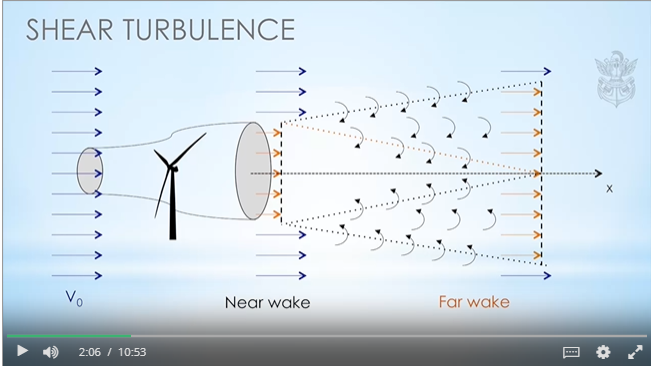
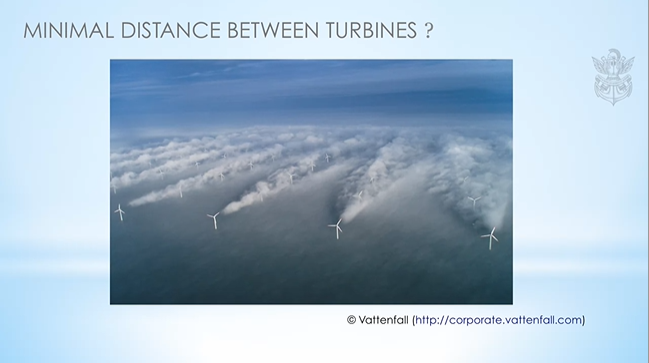
Depending on turbulent intensity (TI), the distance between wind turbine towers can be about 13D. This ensures that if wind passes through the upstream turbine blades, there is enough time for the wind density (wake) to recover by the time it gets to the next wind turbine blades in the wind path.
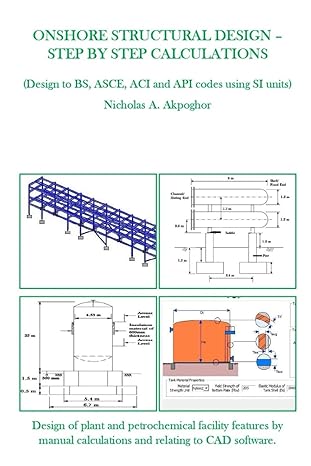
A simplified collection of calculations for onshore structures can be obtained from here: https://www.amazon.com/ONSHORE-STRUCTURAL-DESIGN-STEP-CALCULATIONS/dp/B08Z3QPNP5
Also available in Nigeria for: ₦18,500.00 Contact – +2348182035528
Udemy course: Onshore Structural Design – Step by Step Calculations | Udemy
Foundation types
Economics of wind energy
It is necessary for documentation of the steps during the design of a wind farm. Checklists of each design criteria is important.
Below is a short video of a stripped vibrating equipment model.
 Catchment of Resources
[…] Design Overview of a Wind Farm […]
[…] Design Overview of a Wind Farm […]
[…] Design Overview of a Wind Farm […]
[…] Design Overview of a Wind Farm […]
[…] Design Overview of a Wind Farm […]
[…] Design Overview of a Wind Farm […]
[…] Design Overview of a Wind Farm […]
[…] Design Overview of a Wind Farm […]