There are a number of civil and structural engineers who have attempted to work in the power, petrochemical or even the oil industry without success. They usually find themselves to be unqualified due to the specialist nature of the structural engineering approach in the sector. Some reasons young engineers do not have the requisite skills may not be unconnected with the following:
- This aspect of structural engineering is not taught at undergraduate level.
- Some of the literature in this sector borders around trade secrets.
- It is more complex than first degree subjects.
- It requires exposure and experience working in these facilities to understand parameters during the structural design process.
- There is hardly literature on the subject.
Onshore structural design is the field of structural engineer that covers design of power plants, petrochemical facilities and the oil industry. Onshore structures are those which are some distance from the sea or basically those which are on land. The reason this aspect of structural engineering is different, is that by the name, it implies more specialist structures on land, asides bridges, buildings and other kinds of general structures.
In 2016, Mohamed El-Reedy unraveled some of the mystery behind onshore structural design in his book, “Onshore Structural Design Calculations” (https://www.amazon.com/Onshore-Structural-Design-Calculations-Processing/dp/0081019440). The book may be complex for young structural engineers, so I have posted the link to another book called “Onshore Structural Design – Step by Step Calculations”(https://www.amazon.com/dp/B08Z3QPNP5), it is a step by step compilation of complete calculations covered by Mohamed El-Reedy.
Onshore structures design involve considerations for structures and supports as it pertains to: industrial steel structures, equipment and storage facility, vibrating equipment support, soil investigation, pile design, assessment of structures in industrial plants, and resistance of buildings to explosion. In general, the following are the features of onshore facilities that require structural design:
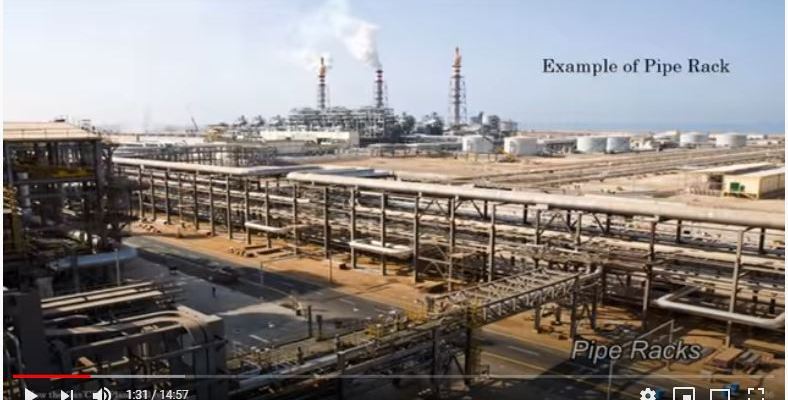
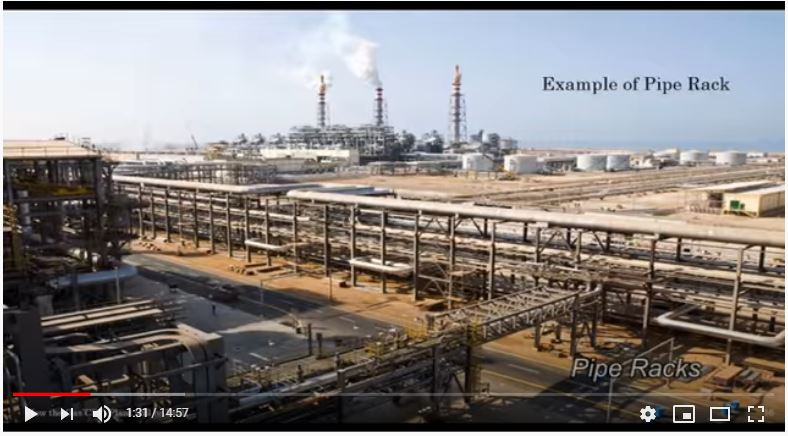
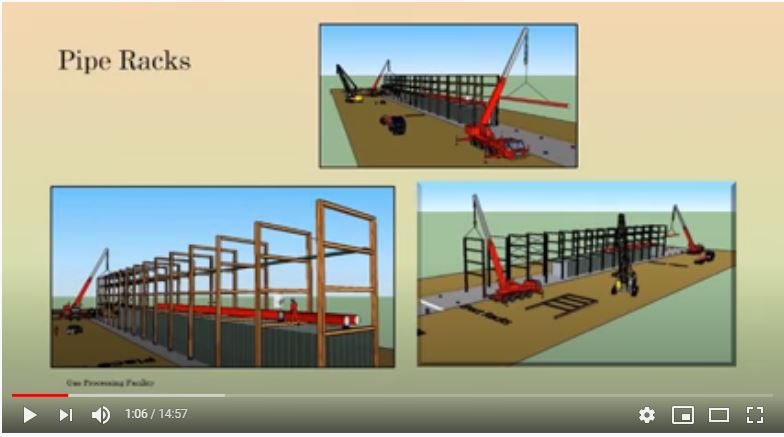
- Pipe Rack
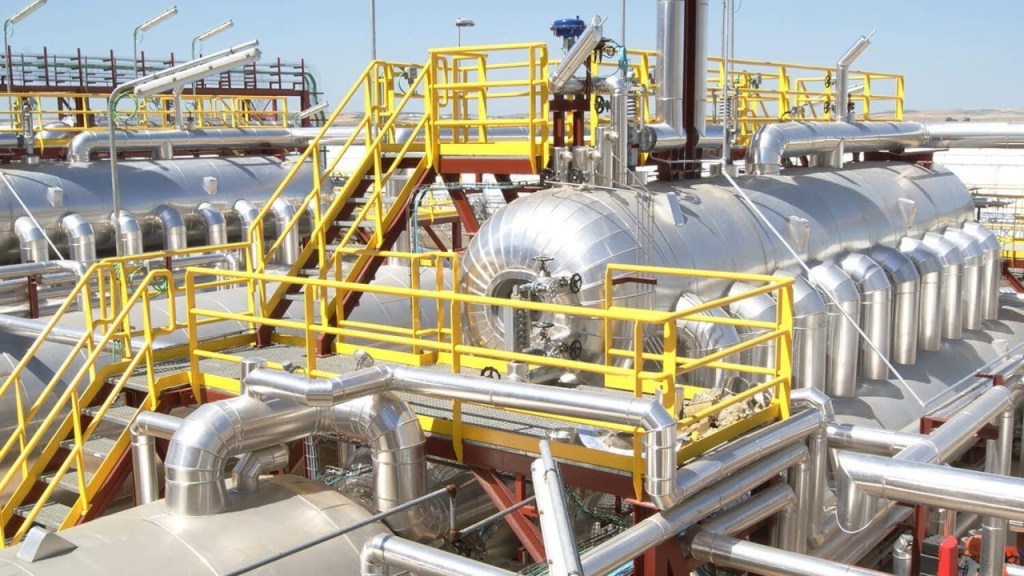
- Horizontal Vessels Support: Heat Exchangers, Separators etc.
- Vertical Vessels Support
- Pipe Bridges and Supports
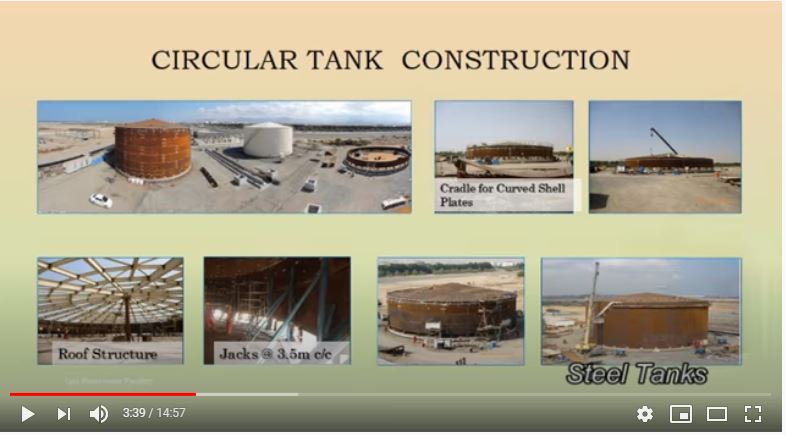
- Storage Tanks
- Steel Structural Frames
- Piles and other types of Foundations
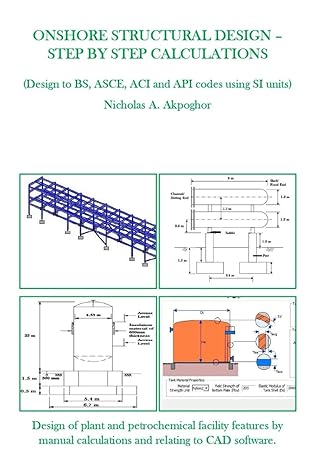
A simplified collection of calculations for onshore structures can be obtained from here: https://www.amazon.com/ONSHORE-STRUCTURAL-DESIGN-STEP-CALCULATIONS/dp/B08Z3QPNP5
Also available in Nigeria for: ₦18,500.00 Contact – +2348182035528
Udemy course: Onshore Structural Design – Step by Step Calculations | Udemy
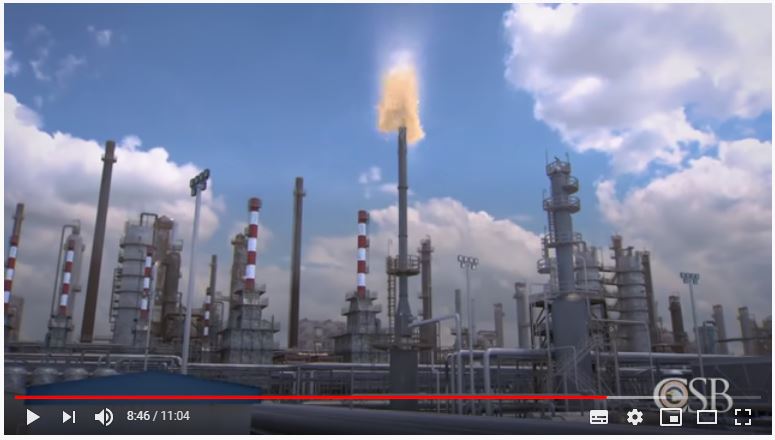
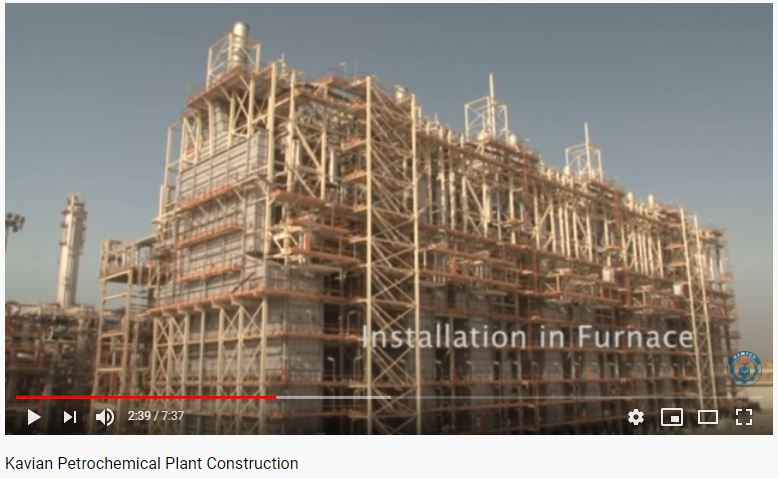
See videos below with general layout of a processing plant facility…
The structural design of onshore facilities is intricate due to the dependence of the structural engineer on experience, past projects, several internal/external stakeholders for parameters for the design and different codes of practice. For example, if an engineer is to design a vertical vessel, they will require the weight, wind load, bolt positions and size of the vessel from a mechanical structural engineering company prior to his commencement of the design of the pedestal and footing. In the next post on onshore structural design we shall discuss on how to design each of the listed onshore structures on a plant facilities.
 Catchment of Resources
It is very appreciative
you are welcome.
[…] areas of soil stabilization. Soil stabilisation is one of the key areas during the design and construction of industrial facilities. The approaches applied in the 4 listed areas are individually different, however the basic […]
Good article. I’m facing a few of these issues as well..
Hello Marguerite, I do hope you find closure in the issues
After going over a few of the blog posts on your web page, I truly like your way of blogging. I book-marked it to my bookmark webpage list and will be checking back soon. Take a look at my website too and tell me how you feel.
Hi Delmer, thank you for the compliment. I will head over to see what’s happening at yours.
What’s your website address?
Pretty! This has been an incredibly wonderful post. Thanks for supplying these details.
You are welcome Norene…